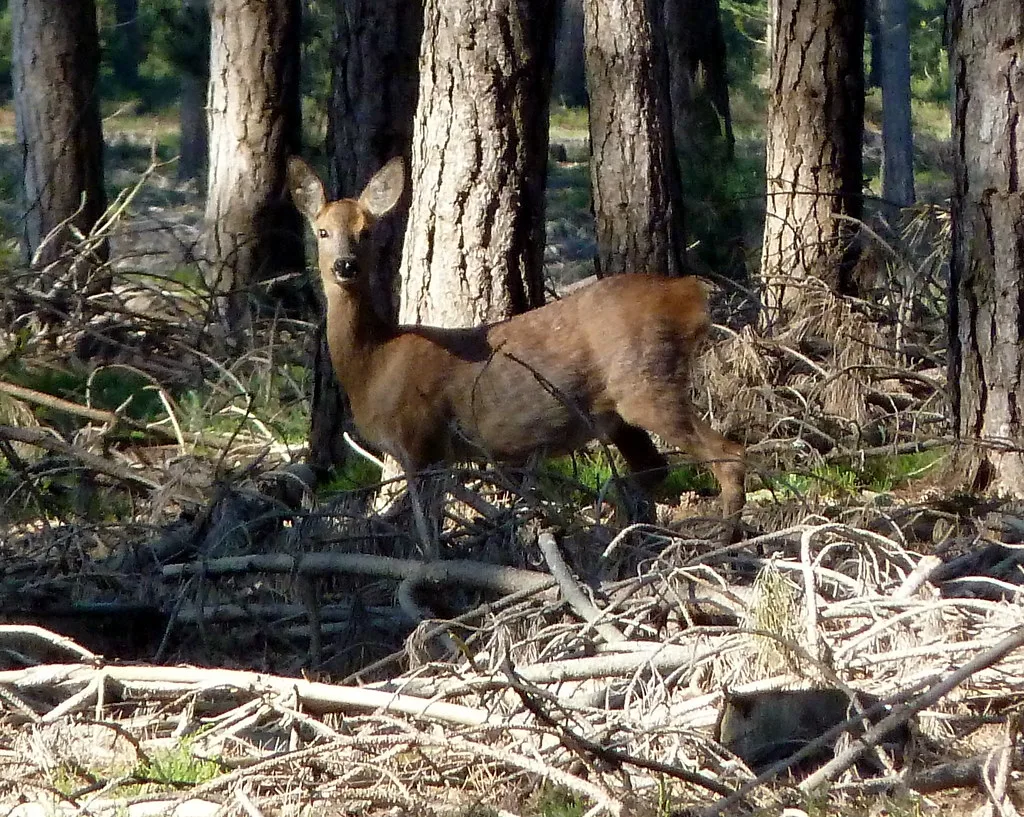

Deer in parts of the New Forest are three to four times the level woodland can sustain. Three public bodies have £240,000 to agree how to reduce them.
Three public bodies have been given £240,000 to agree how many deer the New Forest can sustain, and how to get numbers down to that level.
In some hotspots, deer numbers are estimated at three to four times the level that would let woodland regenerate naturally. That figure comes from the New Forest National Park Authority’s announcement on 12 November.
The money goes to the National Park Authority, Natural England and the Forestry Commission. It comes from Natural England’s Protected Site Strategies programme, which is funded by Defra, and runs over the next few years.
What the project will do
The authority lists five strands:
- learning from local experience and what has already worked
- gathering data and evidence, including drone footage
- making sure people have the skills and capacity to reduce deer numbers
- supporting a local venison market, so meat from population management is sold locally
- celebrating the cultural heritage of deer in the New Forest
The aim is for landowners, conservation groups, deer stalkers and experts to agree what an appropriate deer population looks like, and how to reach it.
Why numbers have grown
The authority puts the rise down to changes in land use, milder weather and the lack of natural predators. It says the population “exploded” during Covid, when numbers went largely unchecked.
Five of the six deer species found in the UK live in the New Forest. Red and roe are regarded as native. Fallow, sika and muntjac were introduced.
Jenny Thomas, Natural England’s New Forest senior nature recovery officer, said high numbers stop trees regenerating, damage soil and reduce wildlife. “High deer densities are also linked to more road traffic accidents, damage to crops, gardens and allotments and spreading ticks that carry diseases,” she said.
John Stride, who runs the authority’s Net Zero with Nature programme, said agreeing a long-term balance would take “a concerted effort by landowners, environmentalists, deer stalkers and deer experts”.
The Forestry Commission’s deer officer for the project, Jordan Thomas, said: “Deer don’t adhere to boundaries, so it’s essential to agree a way forward at a landscape scale.”
What it means for you
Nothing changes on the ground yet. The money pays for evidence gathering and agreement between landowners, not for a set cull target.
If you have lost garden plants, crops or allotment produce to deer, or hit one on the road, the project is collecting local experience. The New Forest deer management project page has a sign-up for updates.
The national policy behind the scheme is the government’s deer impacts policy statement for England.
Have your say