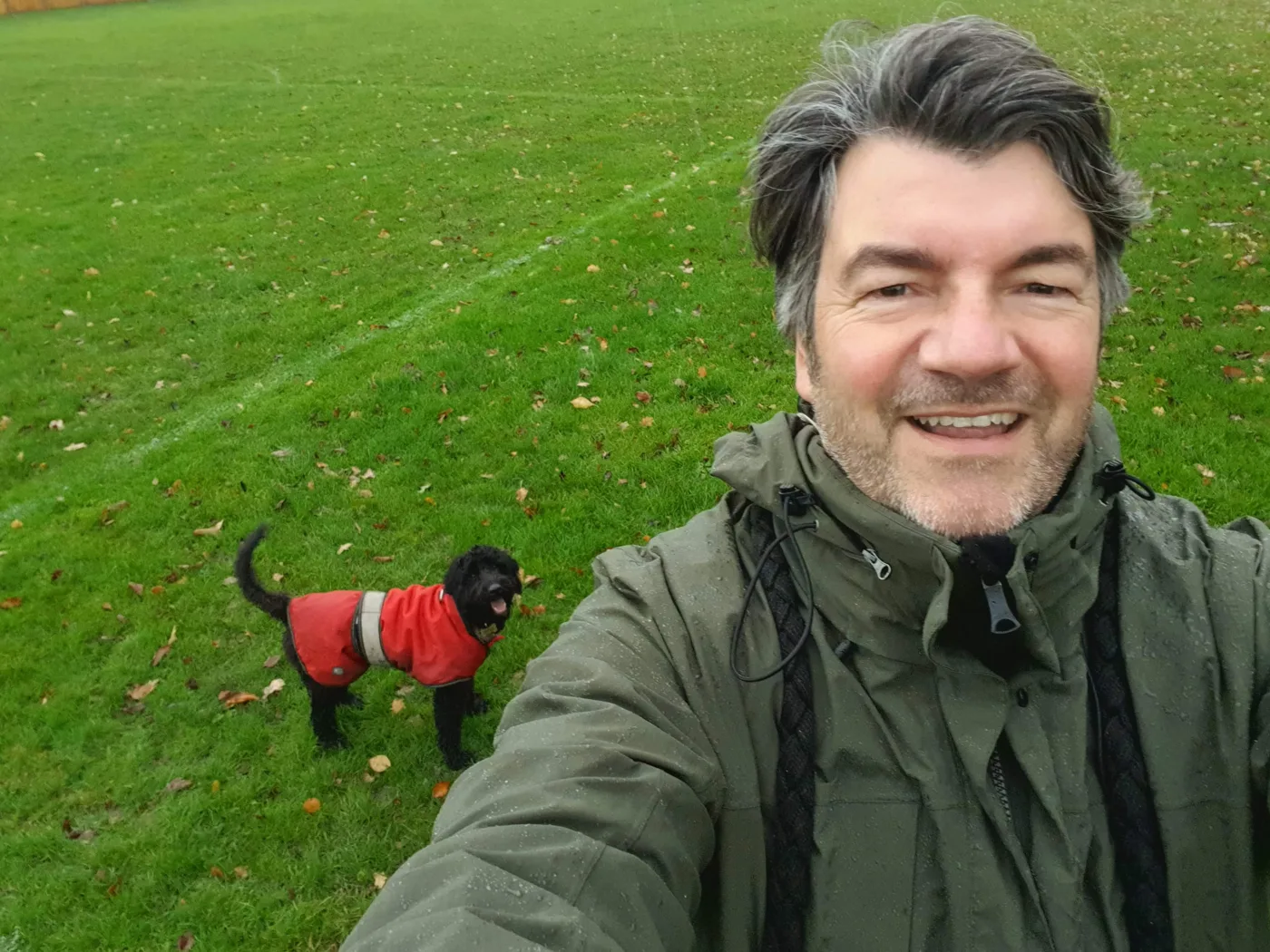

A cockapoo digging at the old RAF Stoney Cross found a US corporal's WWII dog tags. The originals went home to his family; replicas are on show in Bransgore.
A cockapoo out for an Easter Sunday walk on the heath at the former RAF Stoney Cross has dug up the identity tags of an American airfield mechanic who was stationed there in 1944. More than 80 years after they were lost, the original tags are back with his family in Buffalo, New York, and exact replicas are now on display at the Friends of the New Forest Airfields (FONFA) Heritage Centre in Bransgore.
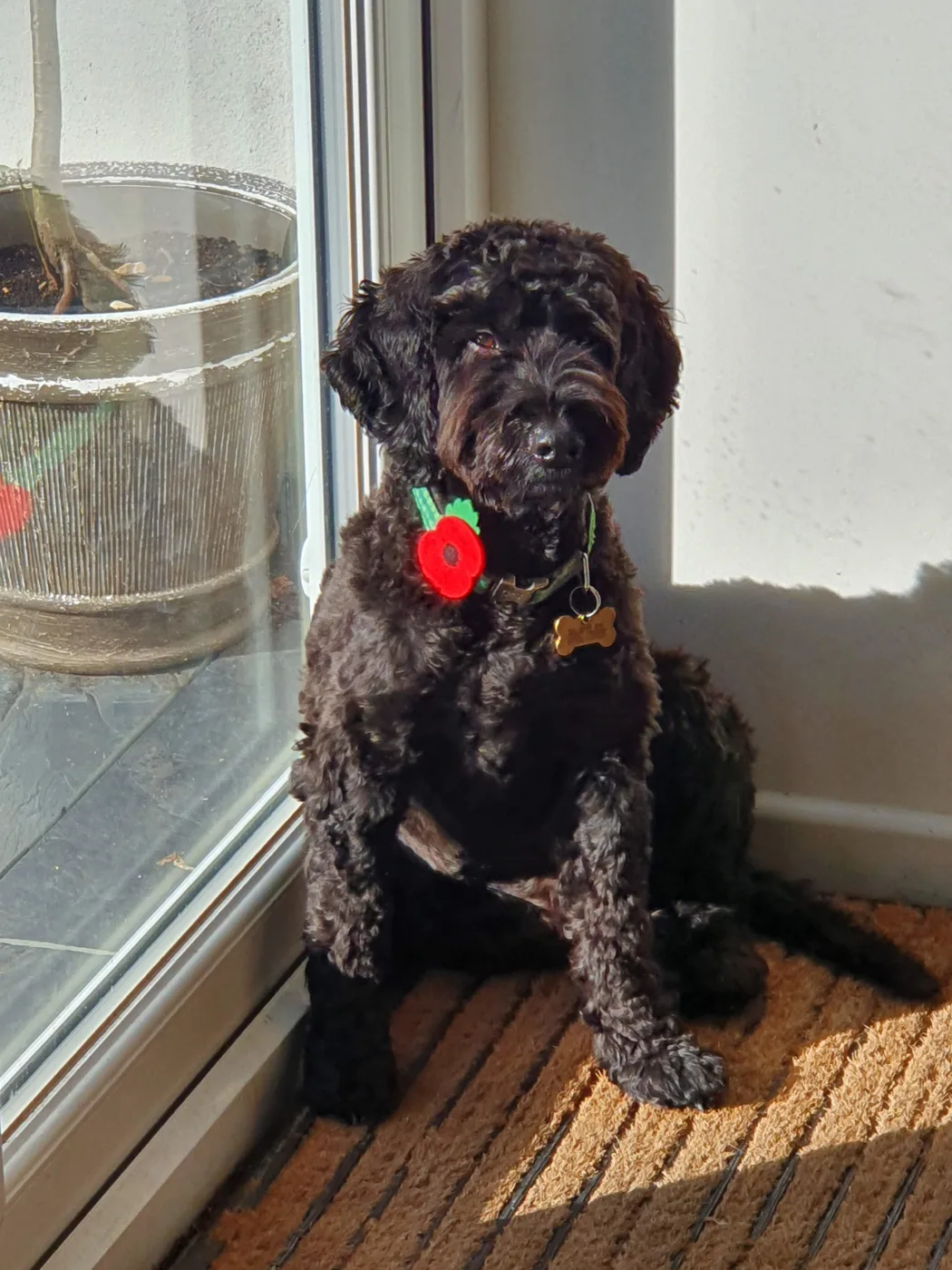
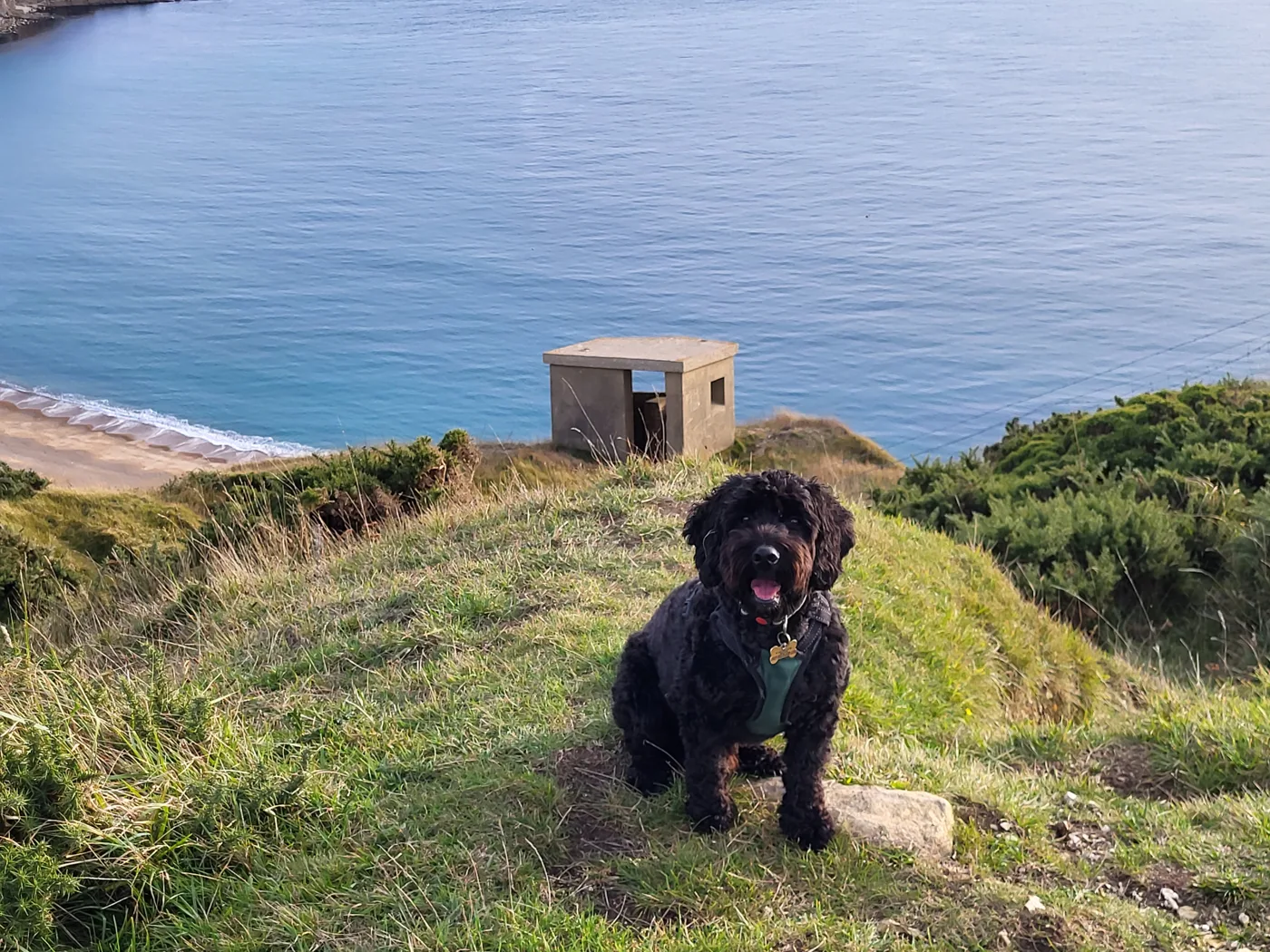
The dog, Doodle, was with his owner Nik Brown, a military history enthusiast who had spent a year studying the wartime airfield, according to Arts University Bournemouth, whose Innovation Studio made the replicas. Nik was exploring the site of a former station building when Doodle started pulling at what looked like electrical cable.
“Doodle’s got a soft spot for acorns and roots, anything he can munch on when we’re out walking, but when I noticed him clawing at a bundle of cord, I quickly moved him aside,” Nik said. “Then, suddenly, I recognised a familiar shape, it looked like a set of US military dog tags!”
Once the tags were cleaned, the name stamped on them could be read: Dennis L. Cooper.
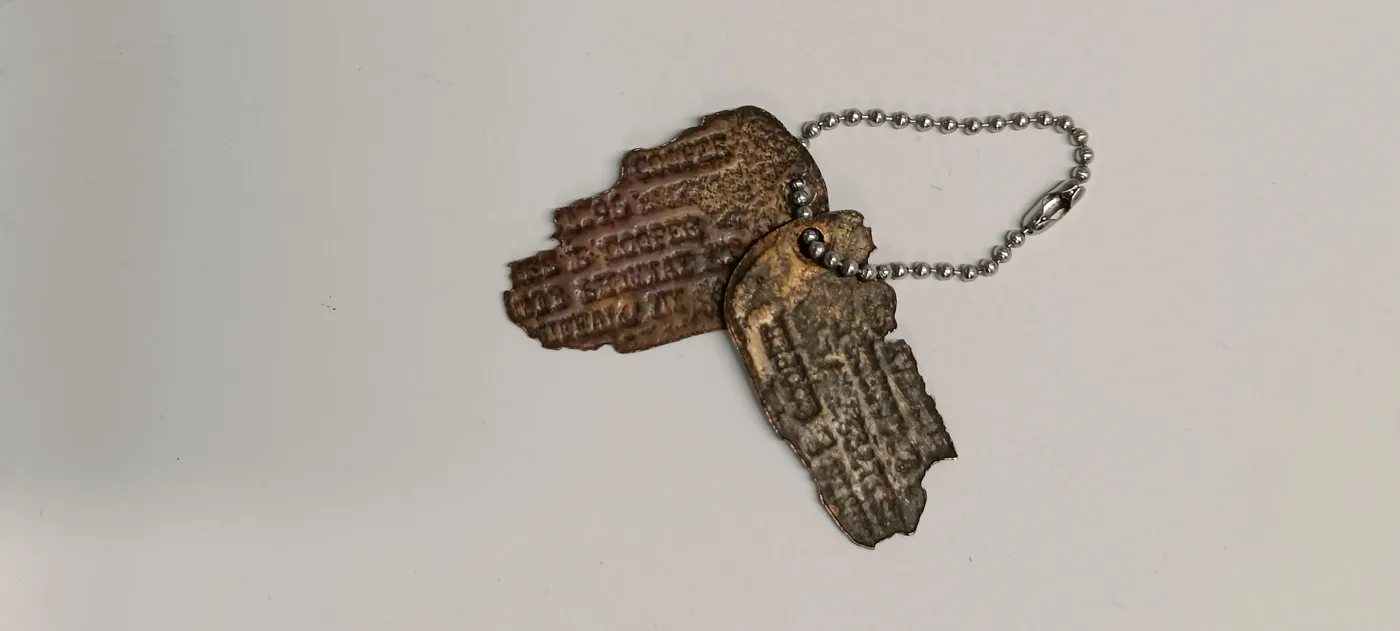
Who was Dennis Cooper?
Research by Nik and two fellow historians, Chris Brown, the Wimborne town crier known as “Dapper Dan”, and Roger Hopkins, found that Corporal Cooper served with the 556th Bomb Squadron, the “Tiger Stripes”. He was a mechanic on B-26 Marauder bombers, keeping the aircraft ready to fly.
According to the university’s account, he served in the European Air Offensive, Rhineland, Central Europe and Normandy campaigns, and while at Stoney Cross he supported the Normandy breakout after D-Day. He was awarded the Distinguished Service Badge for the bravery his unit showed during the Battle of the Bulge.
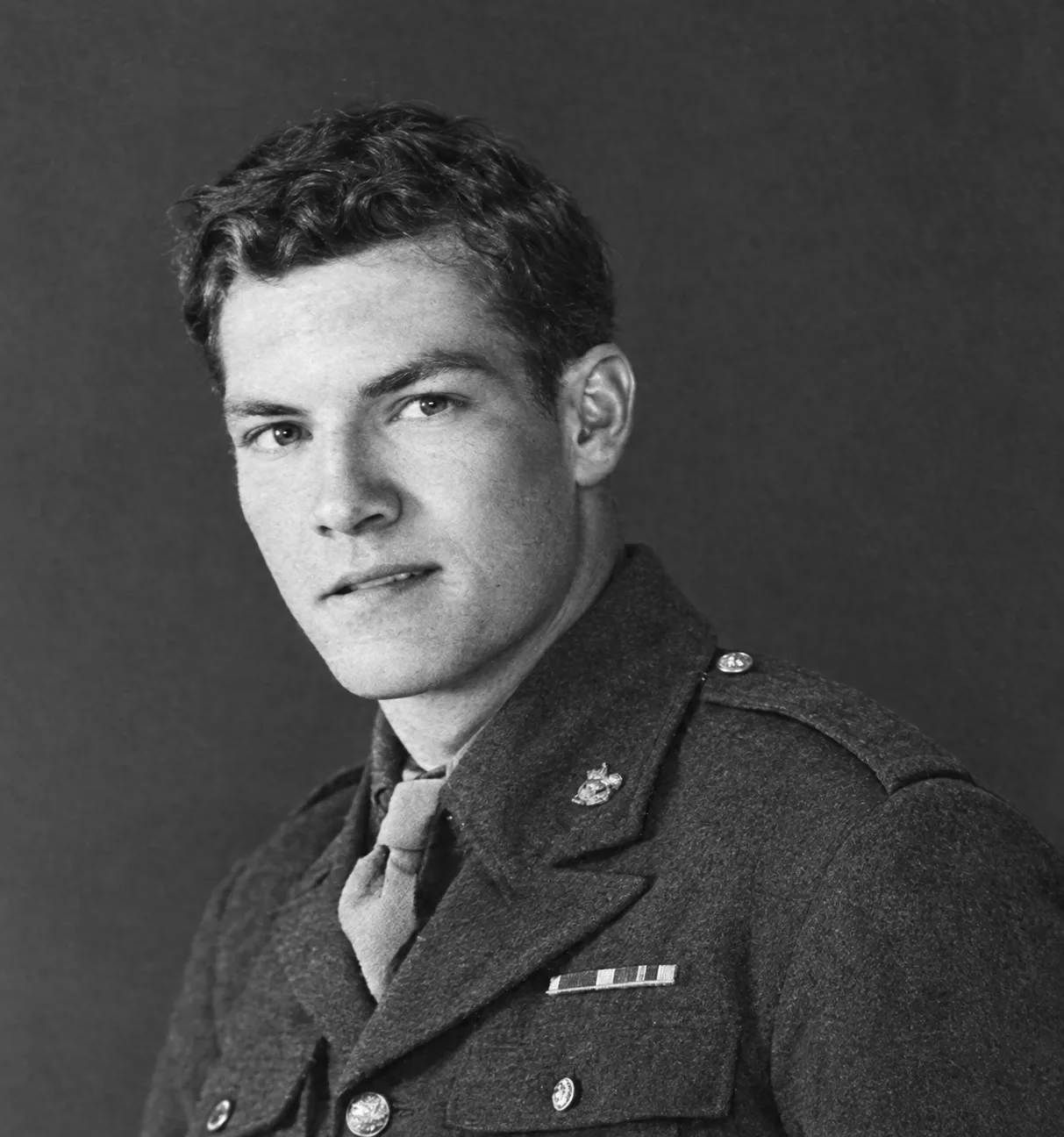
There was an odd personal link too. Nik found that he and Corporal Cooper had the same civilian job: both worked as manufacturing consultants.
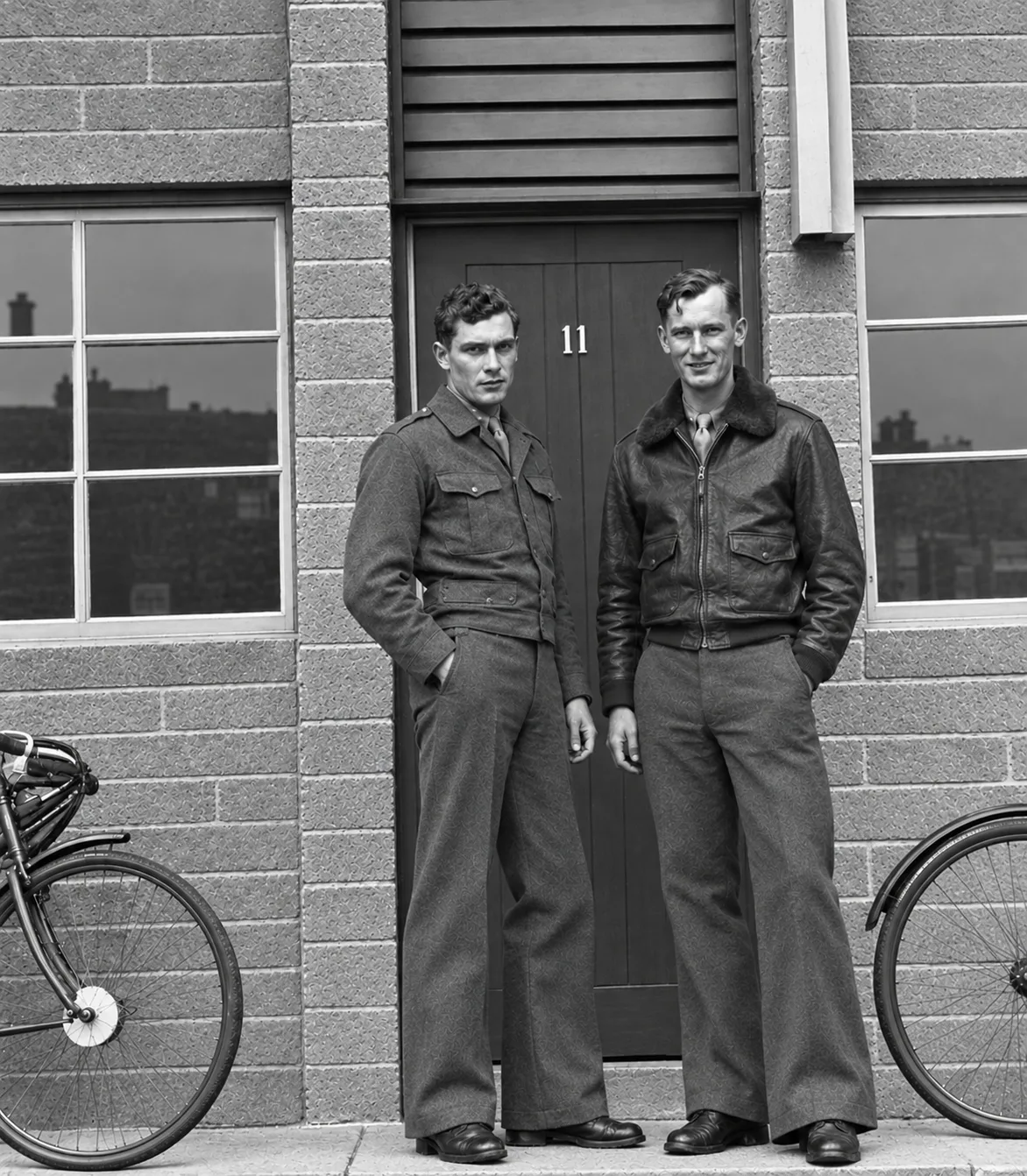
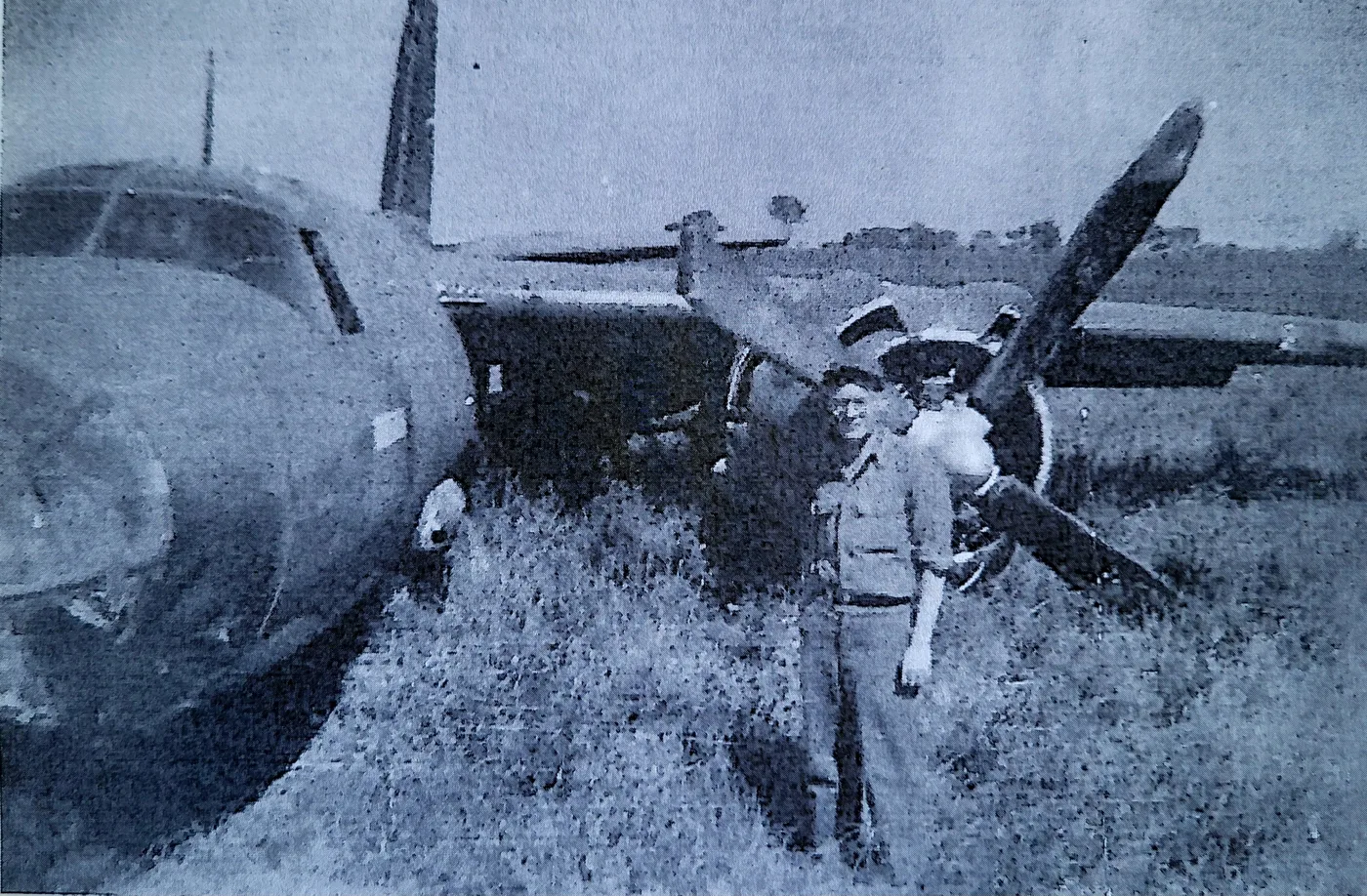
2 photos, tap one to enlarge. Photos: Cooper family, supplied by Arts University Bournemouth
Tracking down his family
Nik used Google Earth to find the home in America that Cooper had left for the war. The breakthrough came when he made contact with the corporal’s granddaughter, Sarah.
“I got quite lucky because I knew Dennis had two sons and four grandchildren. I found a couple of people with the same names or initials on LinkedIn and reached out speculatively,” Nik said.
“I got a few replies back saying, ‘Sorry, it’s not us’, but then I found a directory with a couple of email addresses and a mobile number for a granddaughter called Sarah. When I didn’t hear back from the email, I sent her a picture of the tags via SMS. She came back almost immediately and said, ‘That’s my grandpa’.”
Sarah told him she has always carried her grandfather’s replacement wartime tags in his memory.
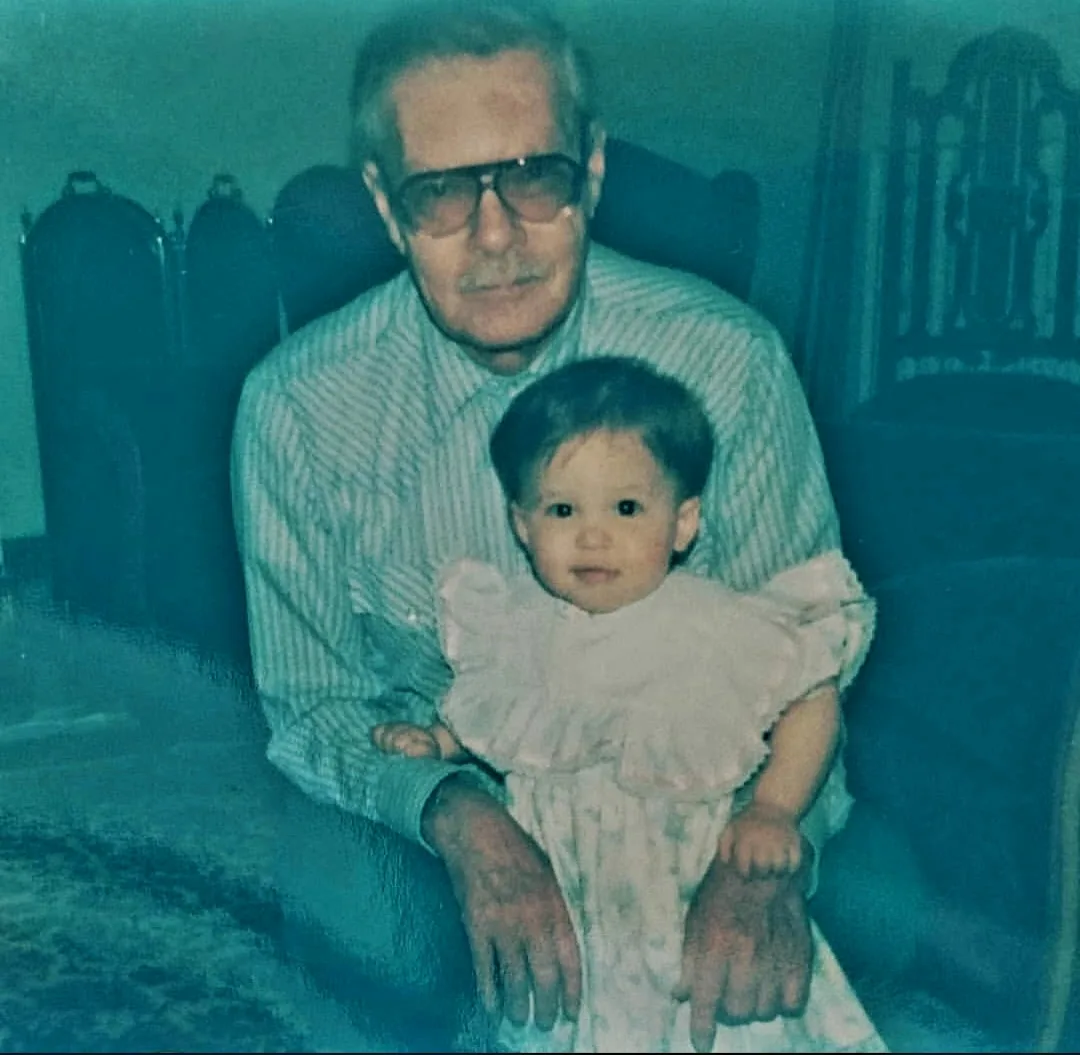
“Finding the details of a specific person from the past was a very emotional experience,” Nik said. “I’ve subsequently had the pleasure of engaging in a series of heartwarming exchanges with the Cooper family and when I received the photos of Dennis during his wartime service, it genuinely felt like a resurrection. He looks like a typical All-American hero and I will always picture him as he would have been, walking around Stoney Cross.”
How the replicas were made
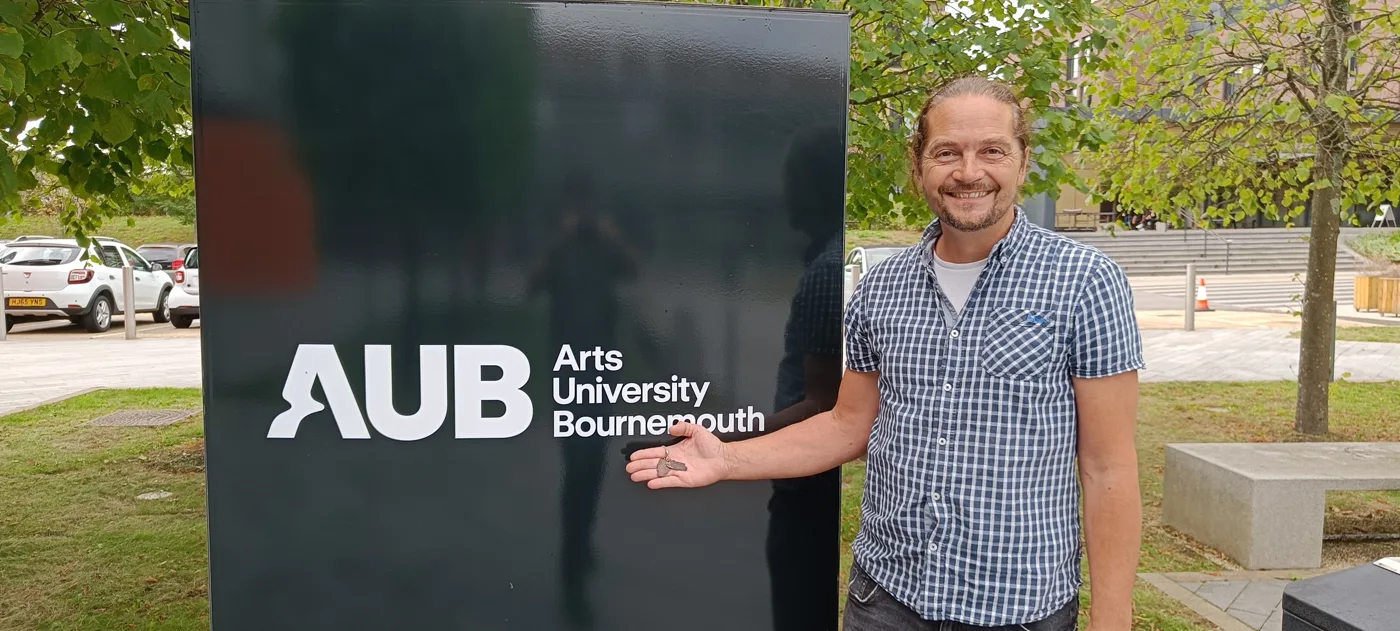
Nik had worked for the South West Manufacturing Advisory Service and used to bring local manufacturers to the Innovation Studio at Arts University Bournemouth to see its equipment. He asked the studio whether it could copy the tags before the originals went back to America.
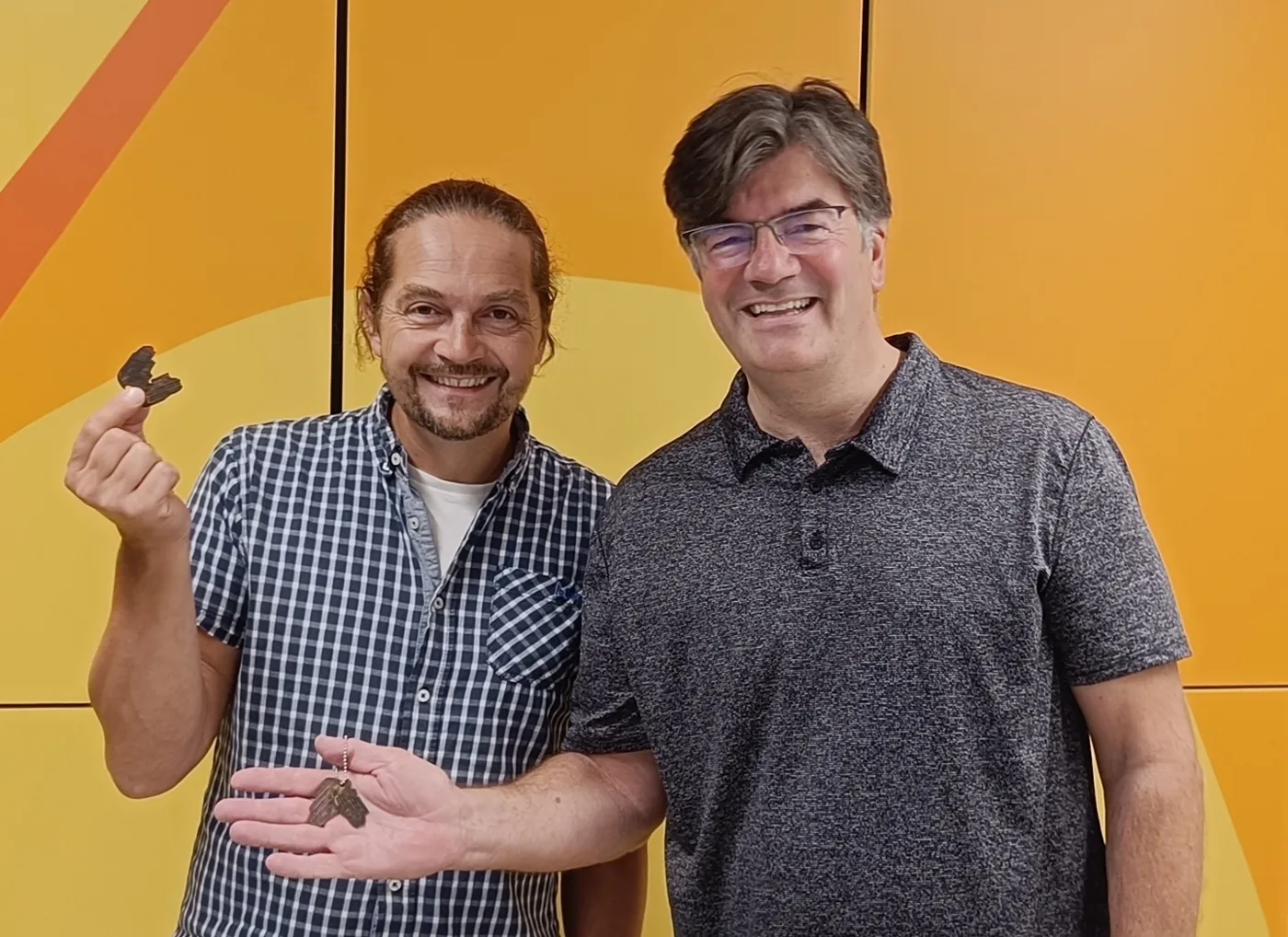
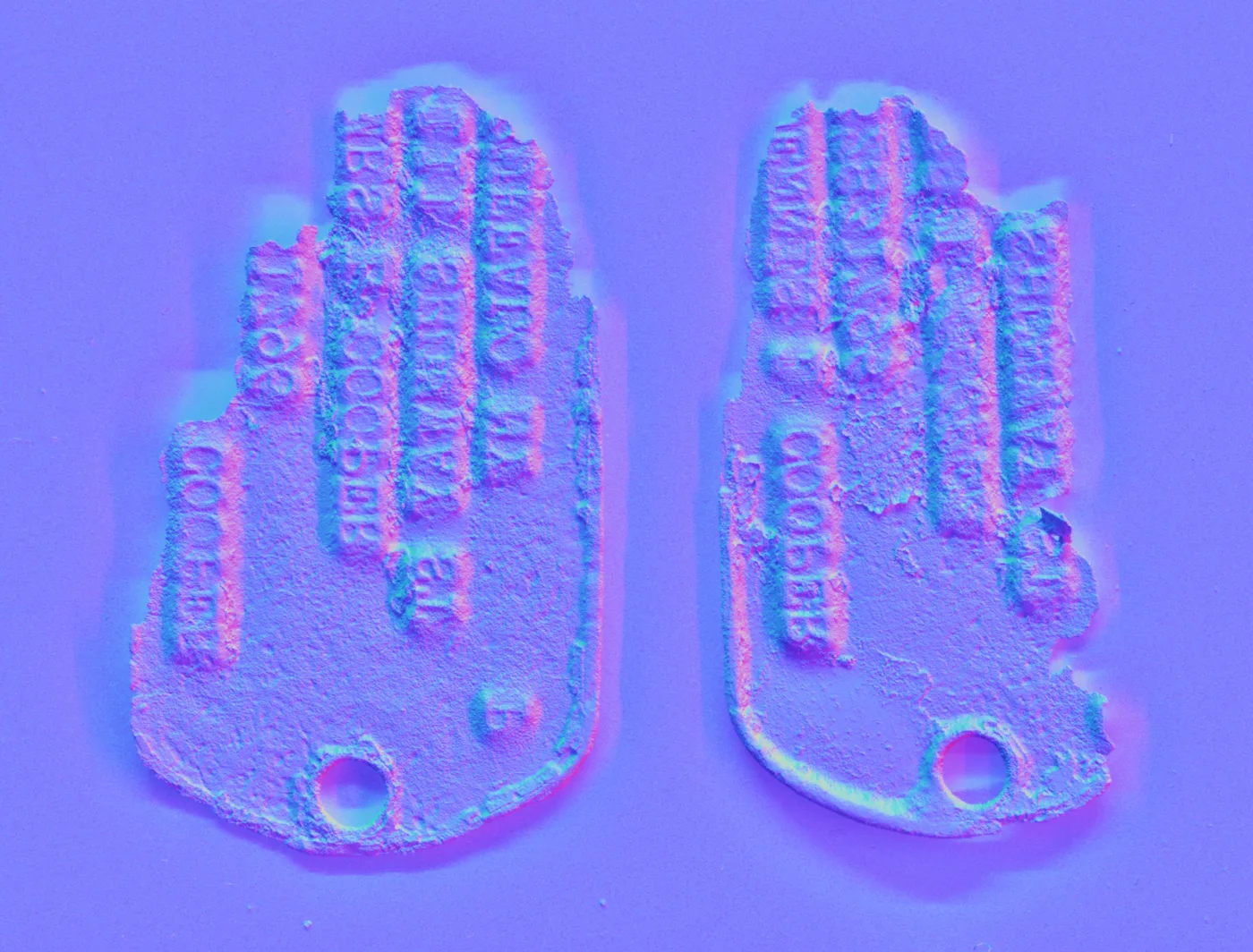
The job went to Anatol Just, the studio’s senior technician. A normal 3D scan was not good enough. “Standard 3D scanning struggled to capture the minute details of the corroded metal,” he said. “I used a handheld scanner initially, but it didn’t show the text well enough.”
He turned instead to Reflective Transformation Imaging (RTI), a technique more often used to record the surface of works of art.
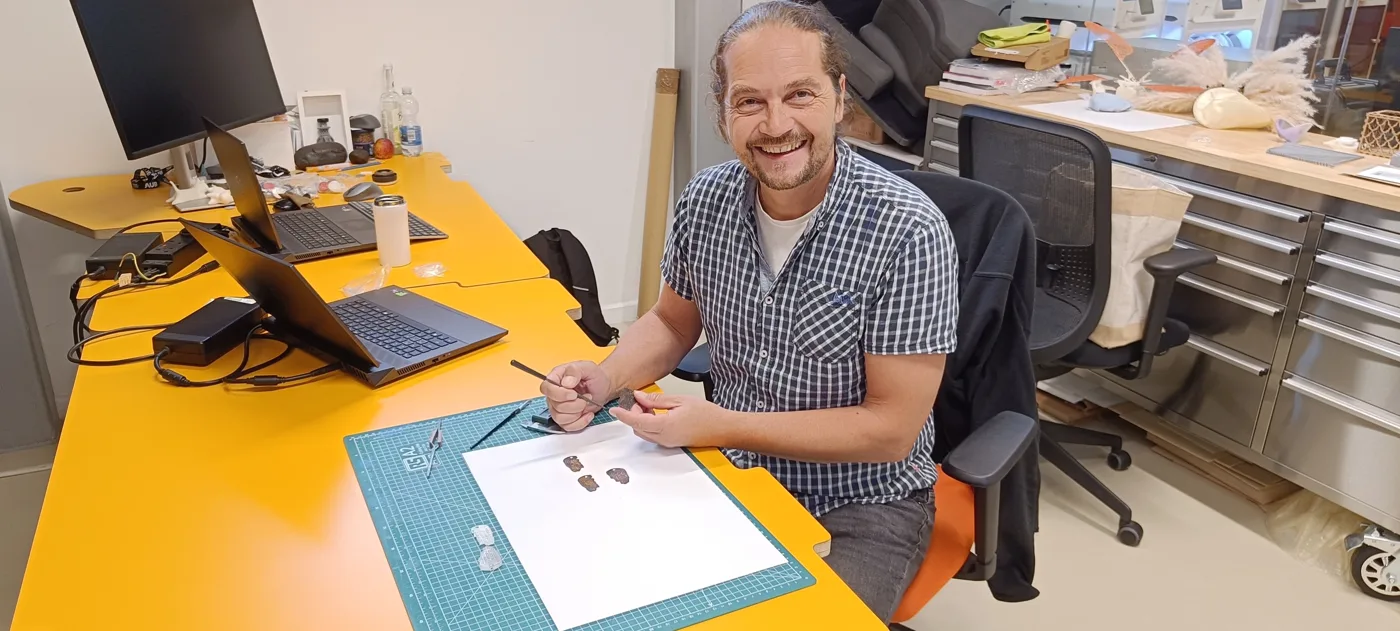
“The tags are paper-thin where they’ve deteriorated, making them incredibly hard to scan and 3D print,” he said. So he devised a “press form”: the scanned surface was etched into an acrylic plate, and a 20-tonne hydraulic press then stamped the worn, weathered texture into new metal.
2 photos, tap one to enlarge. Photos: supplied by Arts University Bournemouth
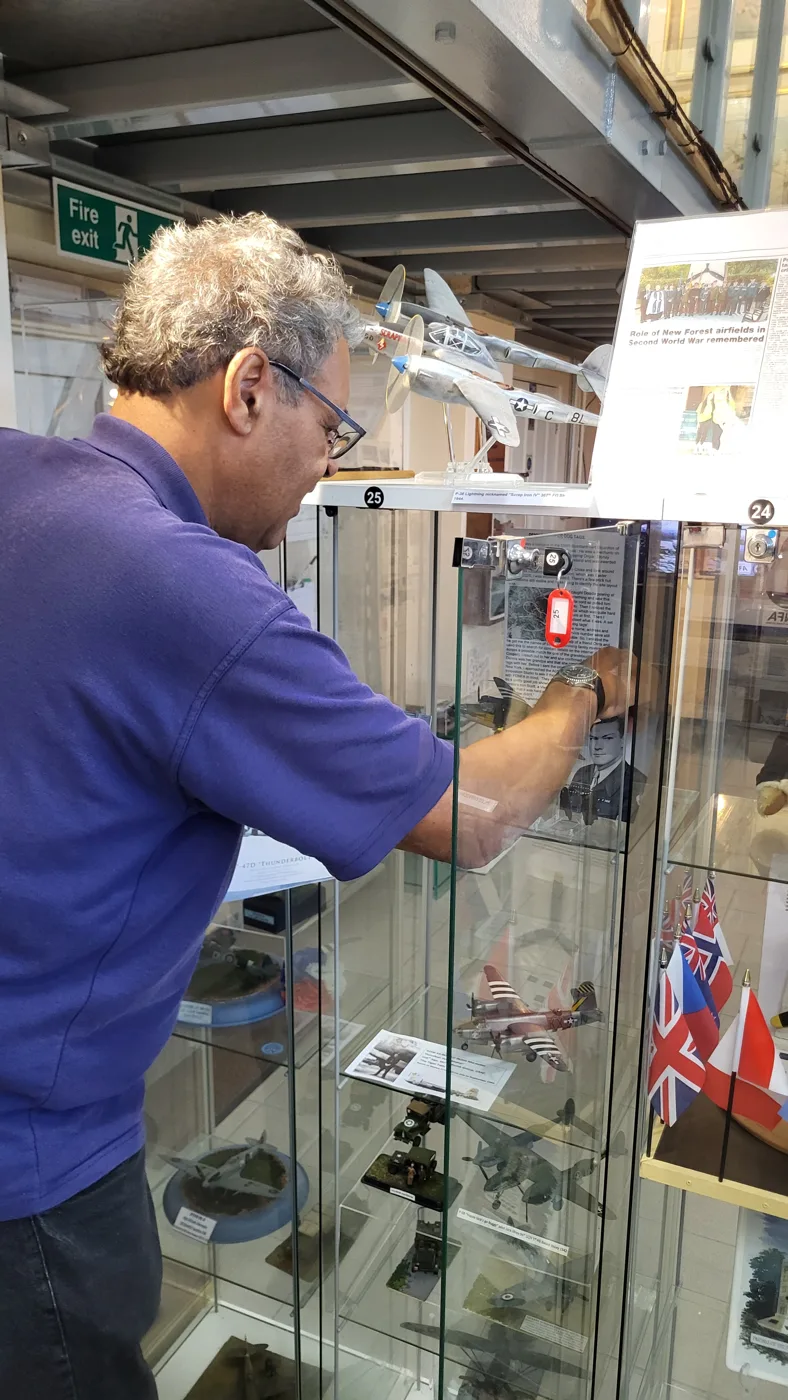
On show in Bransgore
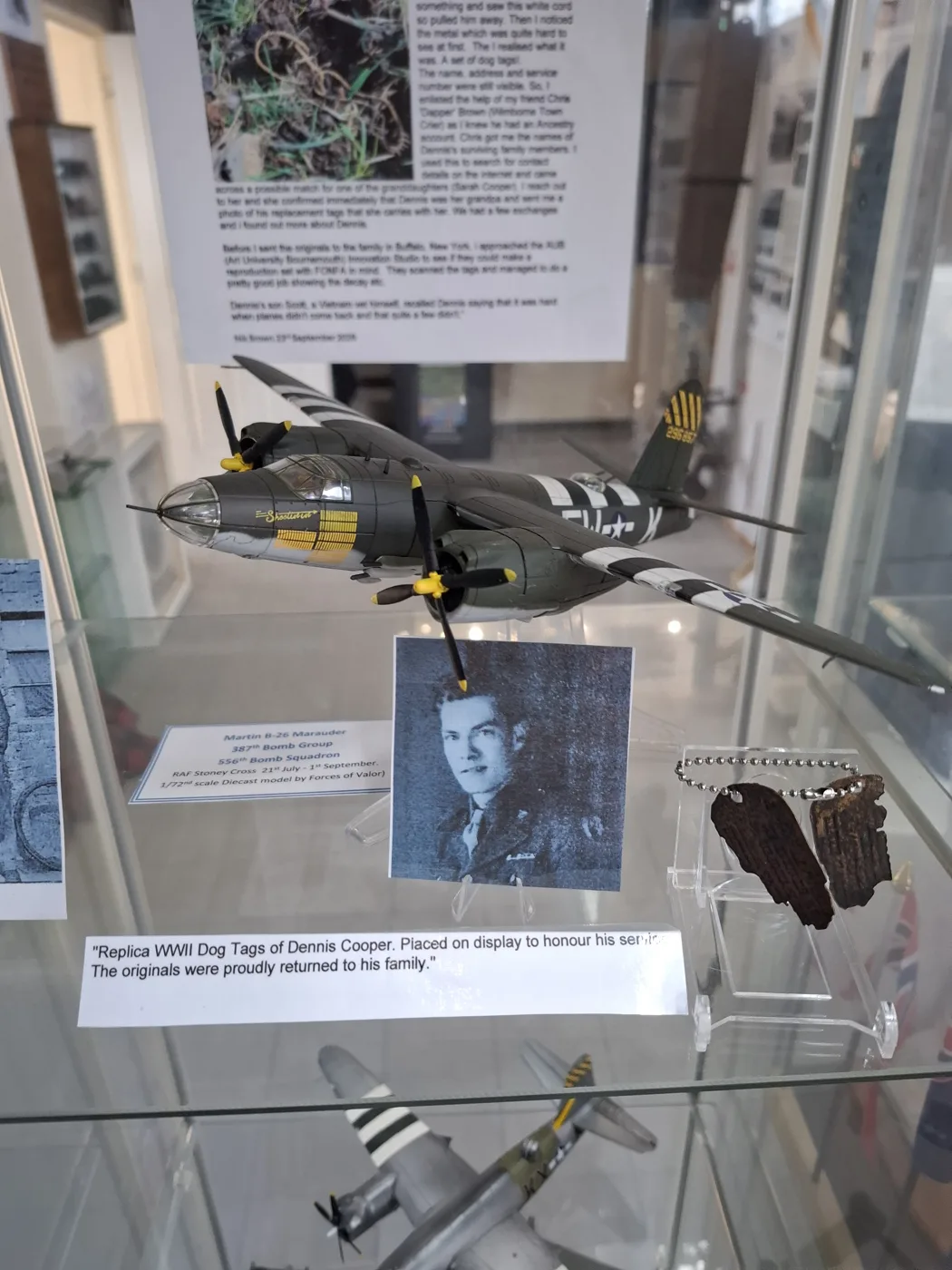
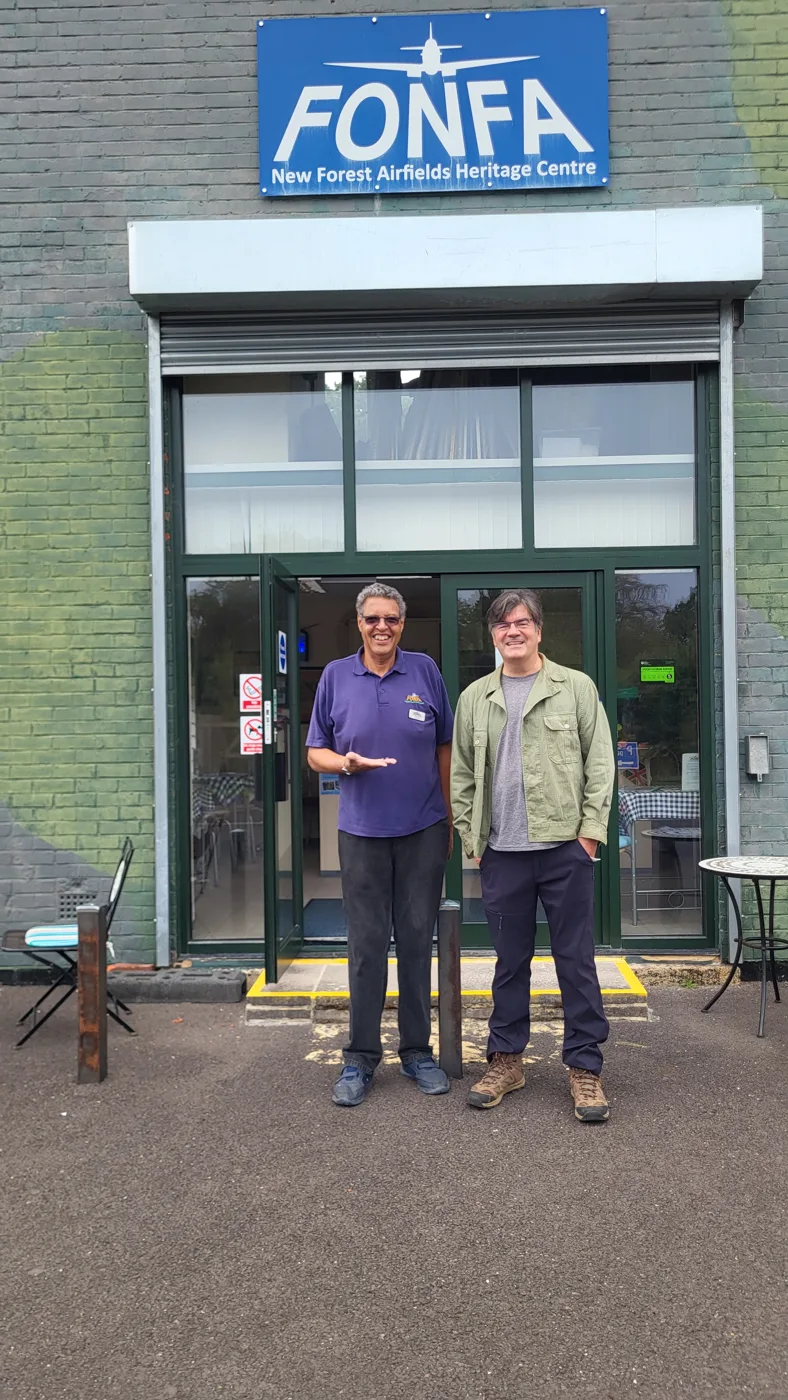
The original tags have gone back to the Cooper family in the United States. Nik gave the replicas to FONFA, which describes itself as a memorial to the people who served at the New Forest’s wartime airfields and runs a heritage centre in Bransgore.
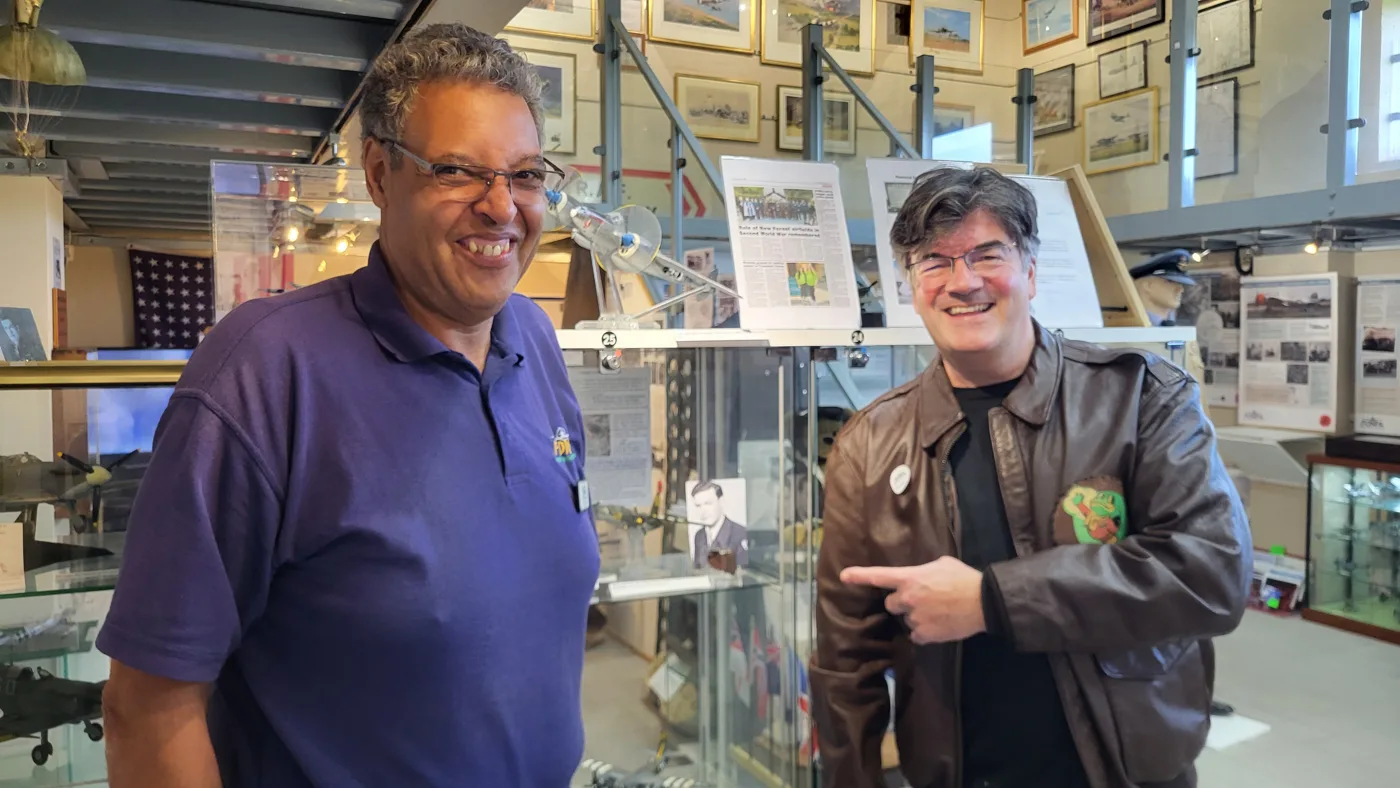
Sam Ruddy, FONFA’s chairman, said: “To have these replicas here at the FONFA Heritage Centre is truly fantastic. Dennis Cooper’s story highlights the vital, personal connections between the New Forest and the Allied servicemen who passed through here in 1944.
“Thanks to Nik, Doodle, and the brilliant technical work at Arts University Bournemouth, visitors to the museum will be able to connect directly with Corporal Cooper’s legacy for many years to come.”
2 photos, tap one to enlarge. Photos: supplied by Arts University Bournemouth
Nik said: “I was keen to ensure the originals returned to Dennis’s family in America, but having these tactile, faithful replicas on display with FONFA in Bransgore ensures that Corporal Cooper’s legend, and the story of Stoney Cross, stays alive right where it happened.”
What it means for you
- See the tags: the replicas are on display at the FONFA Heritage Centre in Bransgore, in a case alongside Dennis Cooper’s portrait and a model of the B-26 Marauder he worked on.
- Remembrance: services and parades across the district are on Sunday 8 November. Times and places are in our Remembrance Sunday in the New Forest guide.
- The technology: the Innovation Studio at Arts University Bournemouth offers projects, memberships and studio tours; details are on the AUB Innovation Studio page or by email to innovation@aub.ac.uk.
2 photos, tap one to enlarge. Photos: supplied by Arts University Bournemouth
Have your say